Glass Thickness Guide Philippines — Choosing the Right Spec
From 5mm window glass to 19mm laminated balustrades — the complete Philippine application matrix with engineering rationale for every specification.
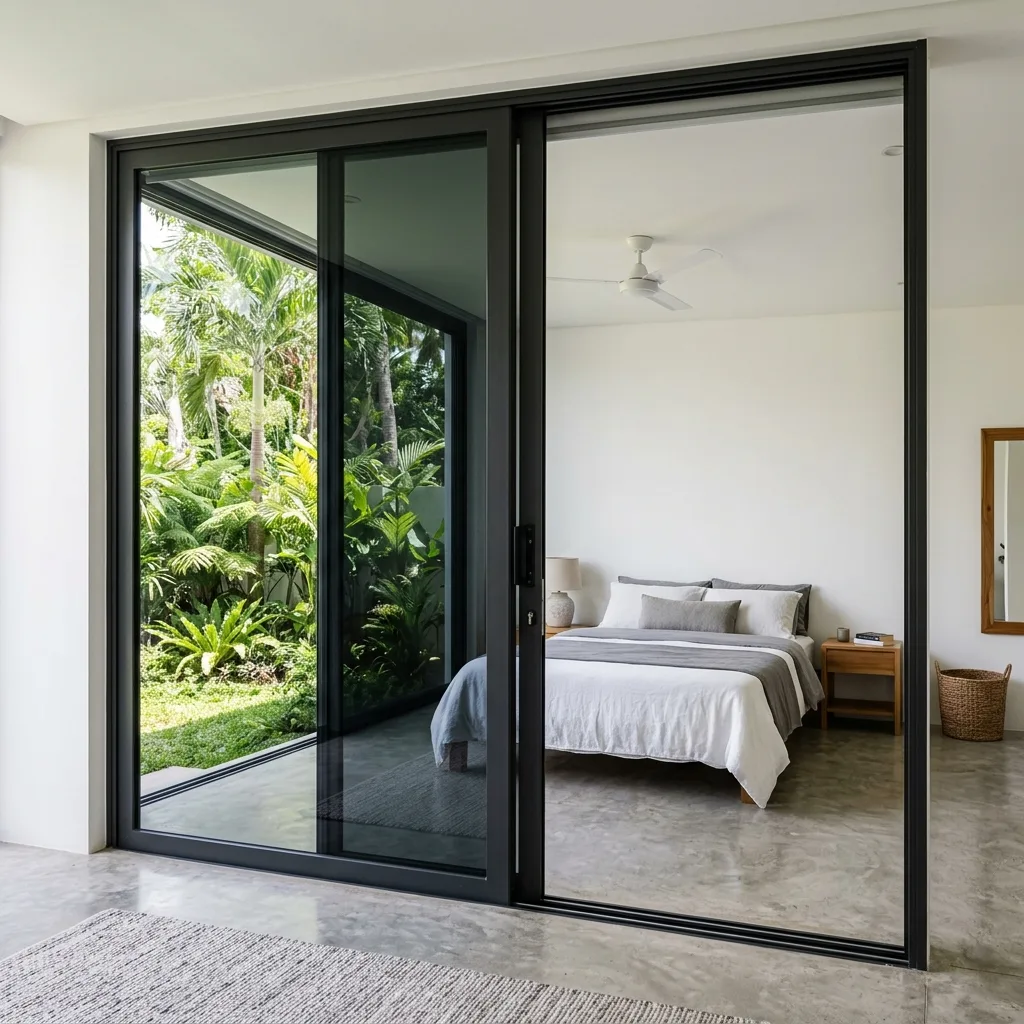
Specifications by Glass Thickness
| Thickness | Weight (kg/m²) | Primary Applications | Max Unsupported Span |
|---|---|---|---|
| 5mm Tempered | 12.5 | Small window panels, cabinet glass, decorative partitions | 600mm |
| 6mm Tempered | 15.0 | Standard residential sliding windows up to 900mm wide | 900mm |
| 8mm Tempered | 20.0 | Wider sliding windows (900–1500mm), doors, table tops | 1200mm |
| 10mm Tempered | 25.0 | Frameless shower doors (semi-frameless), glass partitions | 1500mm |
| 12mm Tempered | 30.0 | Frameless shower enclosures, frameless doors, residential railings | 1800mm |
| 15mm Tempered | 37.5 | Commercial glass partitions, high-load balustrades | 2100mm |
| 10.38mm Laminated | 26.0 | Commercial balustrades, overhead glass, security glazing | 1800mm |
| 12.76mm Laminated | 32.0 | High-load commercial railings, hurricane-rated facade elements | 2100mm |
| 19mm Tempered | 47.5 | Structural glass fins, heavy commercial partitions, floor glass | 3000mm |

The Engineering Logic
Glass thickness is determined by the unsupported span, the wind load, and whether it's framed. A larger panel must be thicker because bending stress increases exponentially.
5mm - 6mm Glass
Standard for residential windows up to 900mm wide. Keeps the glass light enough for roller systems to operate smoothly without excessive force.
8mm Glass
Specified for openings wider than 900mm, sliding doors, and table tops. Provides strength while distributing weight properly for heavy-duty rollers.
10mm - 12mm Glass
Used for frameless applications like shower enclosures and glass partitions, where the glass must act as its own structural beam.
12mm+ Laminated
Required for railings, balustrades, and overhead glazing where fragment retention after breakage is a critical safety requirement.
Applications
Quick Reference Guide
Right thickness. Right application. Every time.
5–6mm Tempered
Small to medium residential windows. Jalousie blades. Cabinet glass. Not suitable for doors or frameless applications.
8mm Tempered
Wide windows (900–1500mm). All sliding doors. Full-frame glass doors. Glass table tops.
10mm Tempered
Semi-frameless shower enclosures. Glass office partitions up to 2100mm high. Floor-to-ceiling systems.
12mm Tempered
Fully frameless shower enclosures. Frameless pivot doors. Residential glass balustrades up to 1100mm high.
10.38–12.76mm Laminated
Commercial balustrades and overhead glazing where fragment retention after breakage is mandatory.
15–19mm Tempered
Structural glass fins. Heavy commercial partitions. Floor glass panels. High-crowd-load commercial railings.
Frequently Asked Questions
Common glass thickness questions answered.
What thickness is used for sliding windows?
Standard aluminum sliding windows use 6mm clear tempered glass for openings up to 900mm wide. For wider openings, 8mm tempered glass is specified.
What thickness for frameless showers?
Frameless enclosures require a minimum of 10mm for semi-frameless and 12mm for fully frameless. Thinner glass cannot support itself safely.
How thick for a glass railing?
Residential railings require 12mm minimum tempered glass. Commercial installations require 15mm tempered or 10.38mm laminated glass.
Can I use thinner glass to save cost?
No. Undersized glass in typhoon conditions deflects excessively under wind load, generating stress that causes spontaneous breakage. It's a false economy.
Get a Properly Specified Quote
Every quotation states the exact glass thickness, aluminum series, and hardware specification.
Explore Related Guides
Glass Materials
All material comparison guides for Philippine installations.
RelatedTempered vs Annealed
Why tempered certification is mandatory and how to verify it.
ProductsGlass Railings
Frameless glass balustrades for staircases and balconies.
ProductsShower Enclosures
Frameless and semi-frameless tempered glass shower systems.
ApplicationGlass Table Top Guide
Practical guide to ordering custom glass table tops — sizes, edges, and pricing.