Glass Kitchen Backsplash — Cost, Colors & Installation Guide
Say goodbye to scrubbing greasy tile grout. A back-painted glass backsplash is the ultimate modern kitchen upgrade in the Philippines. Here is everything you need to know about pricing, color matching, and safety.
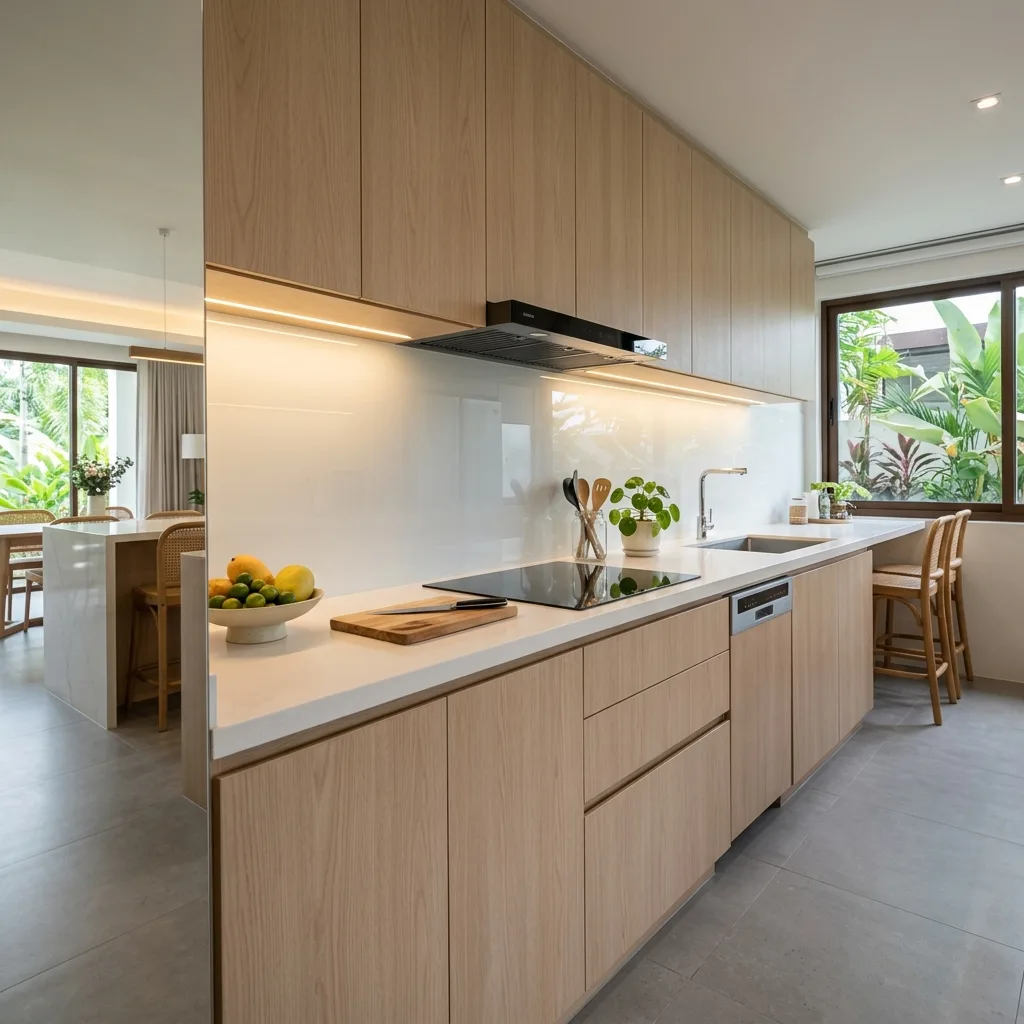
For decades, Philippine homeowners have defaulted to ceramic or porcelain tiles for their kitchen backsplashes (the wall area between the countertop and the upper cabinets). Tiles look great on day one. But by year two, the porous grout lines have absorbed cooking grease, soy sauce splatters, and moisture. They turn yellow, harbor bacteria, and require harsh chemical scrubbing to maintain. The modern architectural solution is the Glass Backsplash. It replaces hundreds of small tiles with a single, flawless, uninterrupted sheet of high-strength glass.
The Engineering: Why Glass Beats Tile
A glass backsplash is not just an aesthetic choice; it is a superior functional material for a high-traffic cooking environment.
| Performance Metric | Traditional Ceramic/Subway Tile | Back-Painted Glass Panel |
|---|---|---|
| Surface Continuity | Hundreds of joints and grout lines | 100% seamless (except at corners) |
| Porosity & Staining | Grout absorbs grease, soy sauce, and oil | Completely non-porous. Cannot stain. |
| Bacterial Resistance | Grout harbors mold in humid climates | Sterile surface, wipes clean instantly. |
| Visual Impact | Traditional, visually busy | Ultra-modern, highly reflective, makes room look larger. |
| Installation Time | 2-3 days (requires setting, drying, grouting) | 2-4 hours (measure one day, install another) |
Types of Kitchen Glass: Back-Painted vs. Tinted
When specifying glass for your kitchen walls, you have two primary options:
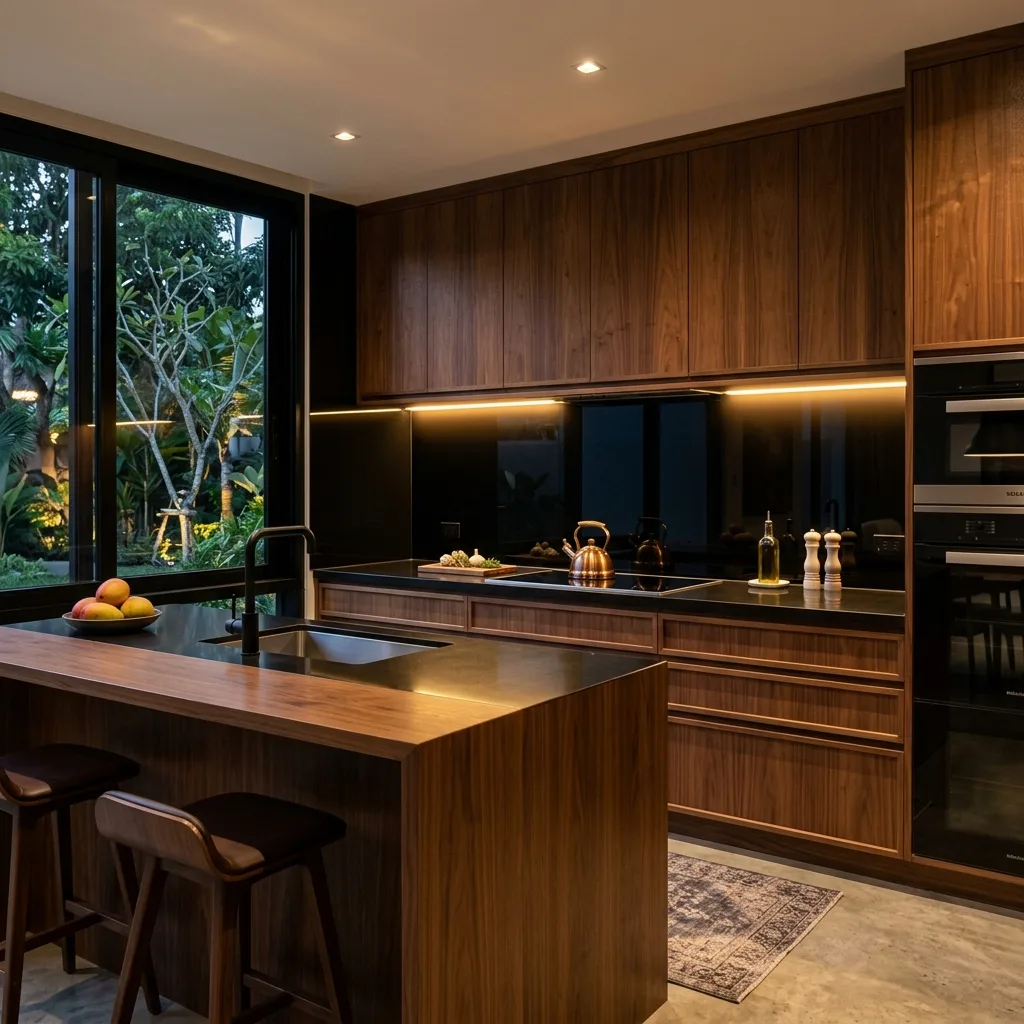
1. Back-Painted Glass (Opaque): This is the industry standard. We take a sheet of clear tempered glass and apply a specialized, heat-resistant opaque paint to the *back* surface. Because the paint is on the back, it is permanently protected from scratches, heat, and grease. The front remains glossy, clear glass. We can color-match literally any shade—from pure stark white to specific Pantone colors to match your cabinetry.
2. Tinted Glass (Transparent/Translucent): Instead of painting the back, we use factory-tinted glass (like bronze or gray). This allows the wall behind the glass to remain partially visible. This is a highly specialized design choice used primarily when you have an exposed brick wall or textured concrete wall that you want to show off, but need to protect from cooking splatters.
The Safety Mandate: Why Tempered Glass is Non-Negotiable
You cannot use standard (annealed) glass for a kitchen backsplash. If a contractor offers you a cheap price, they are likely using annealed glass. Do not accept this.
The glass sits directly behind your gas stove or induction cooktop. When you boil water or fry food, intense heat hits the glass. If a cold splash of water then hits that hot glass, standard glass will suffer "thermal shock" and instantly crack from the temperature differential.
We exclusively use 6mm Tempered Safety Glass for all backsplashes. Tempered glass is heat-treated to withstand temperature swings of up to 250°C. It will easily survive the heat of a heavy boiling pot pushed right up against the wall. Furthermore, if it ever does break (which requires immense physical force), it shatters into small, harmless cubes rather than lethal jagged daggers.
The "Optiwhite" Upgrade for Pure White Kitchens
If you want a pure, snow-white backsplash to match your white quartz countertops, there is a critical detail you must know: Standard clear glass is actually green.
Standard glass contains high levels of iron, which gives the edge a distinct green tint. If we paint the back of standard glass pure white, the iron content in the glass will tint the white paint, making it look mint green when viewed from the front. If you want a true, brilliant white, we must use Low-Iron Glass (often called Optiwhite or Starphire). This glass has the iron removed, making it perfectly crystal clear. When painted white on the back, it remains brilliantly white on the front.
Installation Precision and Electrical Outlets
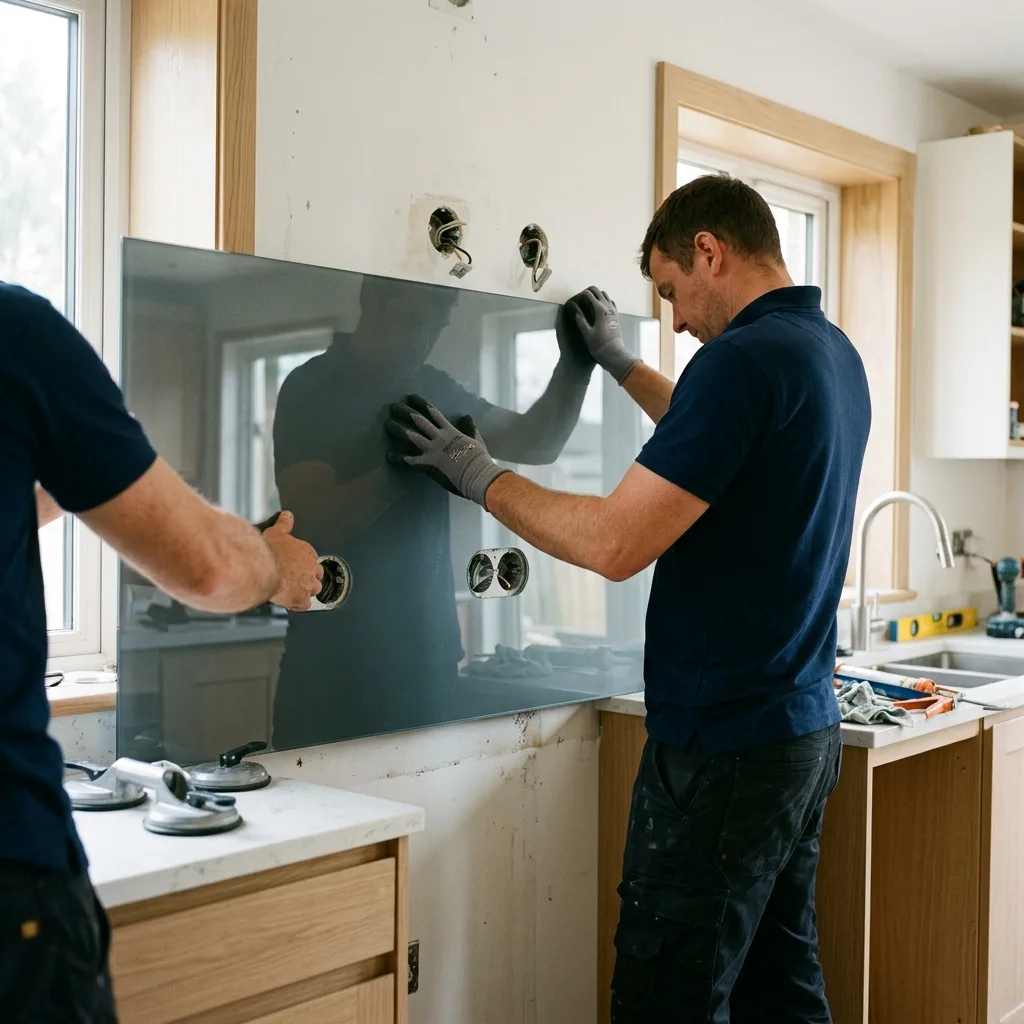
You cannot cut or drill tempered glass. Once it goes through the tempering furnace, its molecular structure is locked. Any attempt to cut it will cause the entire panel to explode.
This makes the measuring phase critical. Our engineers use laser-measuring tools to map your kitchen wall down to the millimeter. Every electrical outlet, every switch plate, and every corner must be perfectly calculated. The raw glass is cut, the outlet holes are CNC-drilled, the edges are polished, the back is painted, and *then* the entire finished piece is sent into the tempering furnace.
Cost Estimates for the Philippines (2026 Prices)
Glass backsplashes are priced by the square meter, plus surcharges for each electrical outlet cutout. A typical Philippine condo kitchen has roughly 1.5 to 2.5 square meters of backsplash area.
| Specification | Estimated Cost (per SQM Installed) |
|---|---|
| 6mm Standard Clear Glass (Back-painted dark colors) | ₱3,500 – ₱4,500 / sqm |
| 6mm Low-Iron Optiwhite Glass (Back-painted pure white/pastels) | ₱5,500 – ₱7,000 / sqm |
| Outlet Cutouts (CNC Drilled) | ₱300 – ₱500 per hole |
While the upfront cost is higher than basic ceramic tiles, a glass backsplash is a permanent, maintenance-free architectural feature that never requires regrouting or harsh chemical cleaning.
Ready for a Modern Kitchen?
Contact us for a free site assessment. We will bring our laser measuring tools and a portfolio of glass color samples directly to your home.