Aluminum Sliding Windows — Heavy-Duty, Leak-Free
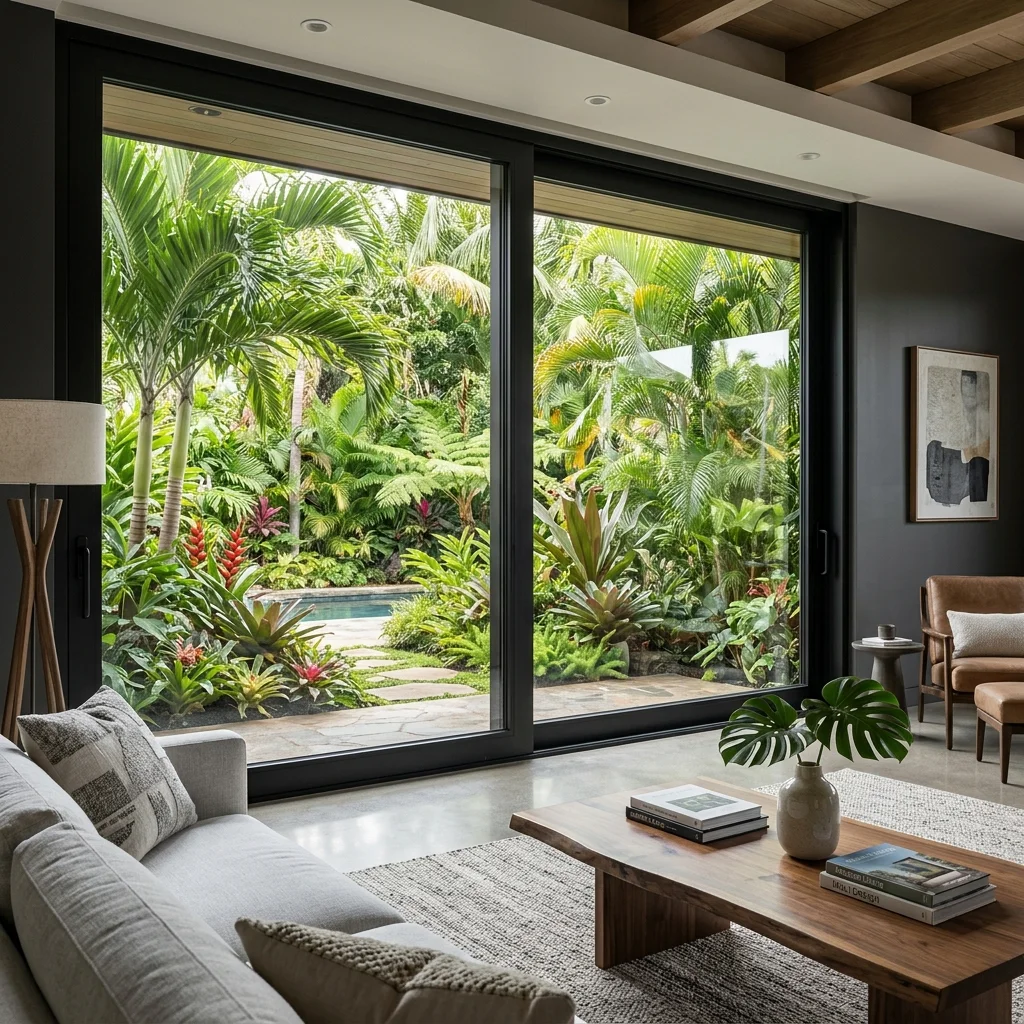
No swing clearance required — panels glide along heavy-duty Series 900 tracks with factory-installed weep holes, double wool-pile seals, and tempered safety glass.
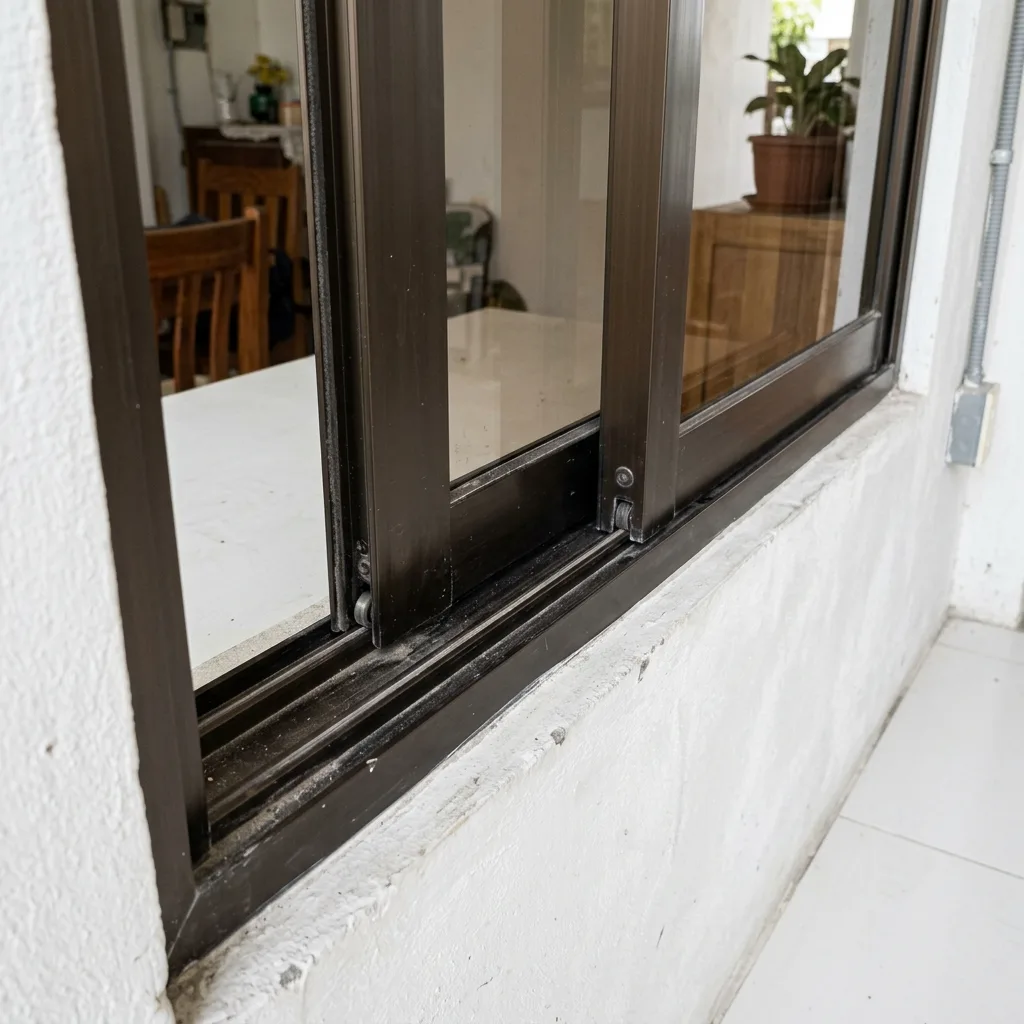
Deep-channel tracks.
Double wool-pile seals.
Series 900 heavy-duty aluminum extrusions with tandem nylon rollers, factory weep holes at every drainage point, and stainless flush-bolt locking for a typhoon-ready window system.
- Extrusion: Series 900 / 798
- Aluminum Gauge: 1.2mm - 1.6mm
- Glass: 6mm - 10mm Tempered
- Rollers: Tandem nylon or stainless
- Sealing: Double wool-pile
Site Measurement
Precise laser measurements taken at rough opening.
Frame Anchoring
Set plumb and level, anchored with stainless screws.
Panel Installation
Panels hung on tandem rollers and adjusted for smooth glide.
Silicone Seal
Perimeter sealed with neutral-cure structural silicone.
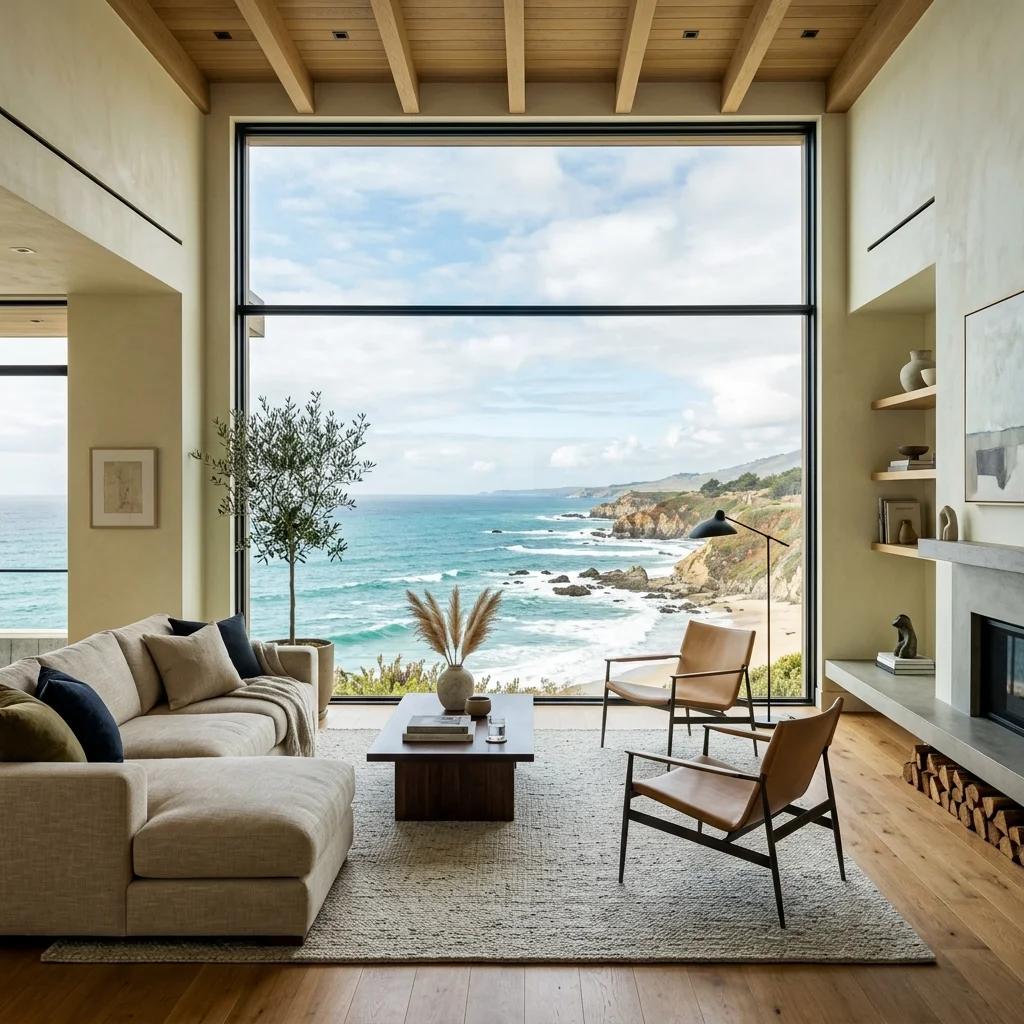
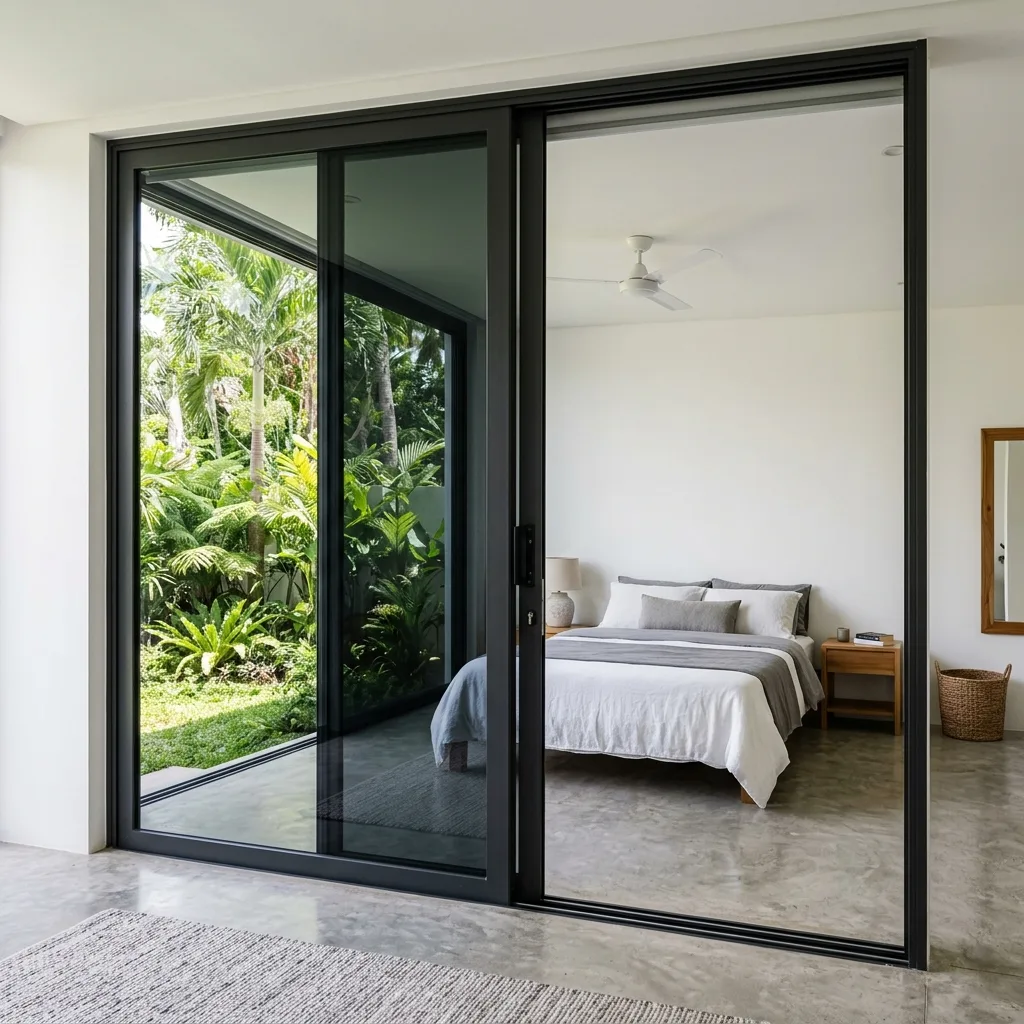
Our Local Portfolio
Recent sliding window installations.
Key Features
Heavy-duty sliding windows engineered for Philippine typhoon conditions with deep-track weep drainage systems.
Typhoon-Rated Track
Series 900 deep tracks with weep holes prevent water from climbing the glass face under wind pressure.
Zero Swing Clearance
Panels glide parallel to the wall — ideal for rooms facing balconies or tight exterior spaces.
Flush-Bolt Security
Flush-bolt or cam-lock systems secure the panel. Anti-lift blocks prevent forcing.
Easy Maintenance
Panels lift out without tools for glass cleaning or track clearing.
Double Wool-Pile Seals
Factory-fitted wool-pile on frame and panel meeting stiles.
Configurable Panels
Two, three, or four-panel setups for up to 75% opening width.
Frequently Asked Questions
Common questions about aluminum sliding windows in the Philippines.
Why do aluminum sliding windows leak during typhoons?
Sliding window leaks are almost always caused by inadequate track depth, absent or blocked weep holes, degraded wool-pile weatherstripping, or non-structural silicone applied to the frame-to-wall joint. Our Series 900 heavy-duty tracks have factory-installed weep holes and deep channels that expel water under wind pressure before it can enter the room.
How much glass area is available when a sliding window is open?
A standard two-panel sliding window provides 50% of the total glass area for ventilation when one panel is open — the stationary panel always blocks the other half. For maximum airflow, we recommend casement or awning windows. For wide openings, three-panel sliding configurations can provide up to 67% opening width.
How often should sliding window wool-pile weatherstripping be replaced?
In Philippine conditions (UV exposure, humidity, salt air near coasts), wool-pile weatherstripping typically degrades after 3 to 7 years. Signs of failure include increased drafts, window leaks in rain, and visible flattening of the pile. Replacement is inexpensive — we carry standard pile sizes compatible with all common aluminum window series.
Can sliding windows be converted to a different type?
The easiest conversion is to replace sliding panels with fixed glass to create a picture window — this is common when improving thermal or acoustic performance. Converting to casement or awning windows within the same rough opening is possible but requires fabricating an entirely new frame and involves tile or plaster patching around the perimeter.
Get Your Sliding Window Quote
Series 900 heavy-duty tracks. Fabricated to your exact opening. Full itemized quote within 24 hours.
Get a Free QuoteExplore Related
All Window Types
Browse our full range of aluminum window systems.
AlternativeCasement Windows
100% airflow opening — better ventilation than sliding.
AlternativeAwning Windows
Rain-open operation for continuous ventilation.
RelatedSliding Glass Doors
Same Series 900 system scaled for door openings.
CompareJalousie vs Sliding
Compare airflow, weather sealing, and security across window types.
GuideTyphoon-Proof Window Guide
Category 5 engineering specs for sliding window installations.
Service AreaDavao City
Sliding window installations and typhoon-grade glass solutions in Davao.